
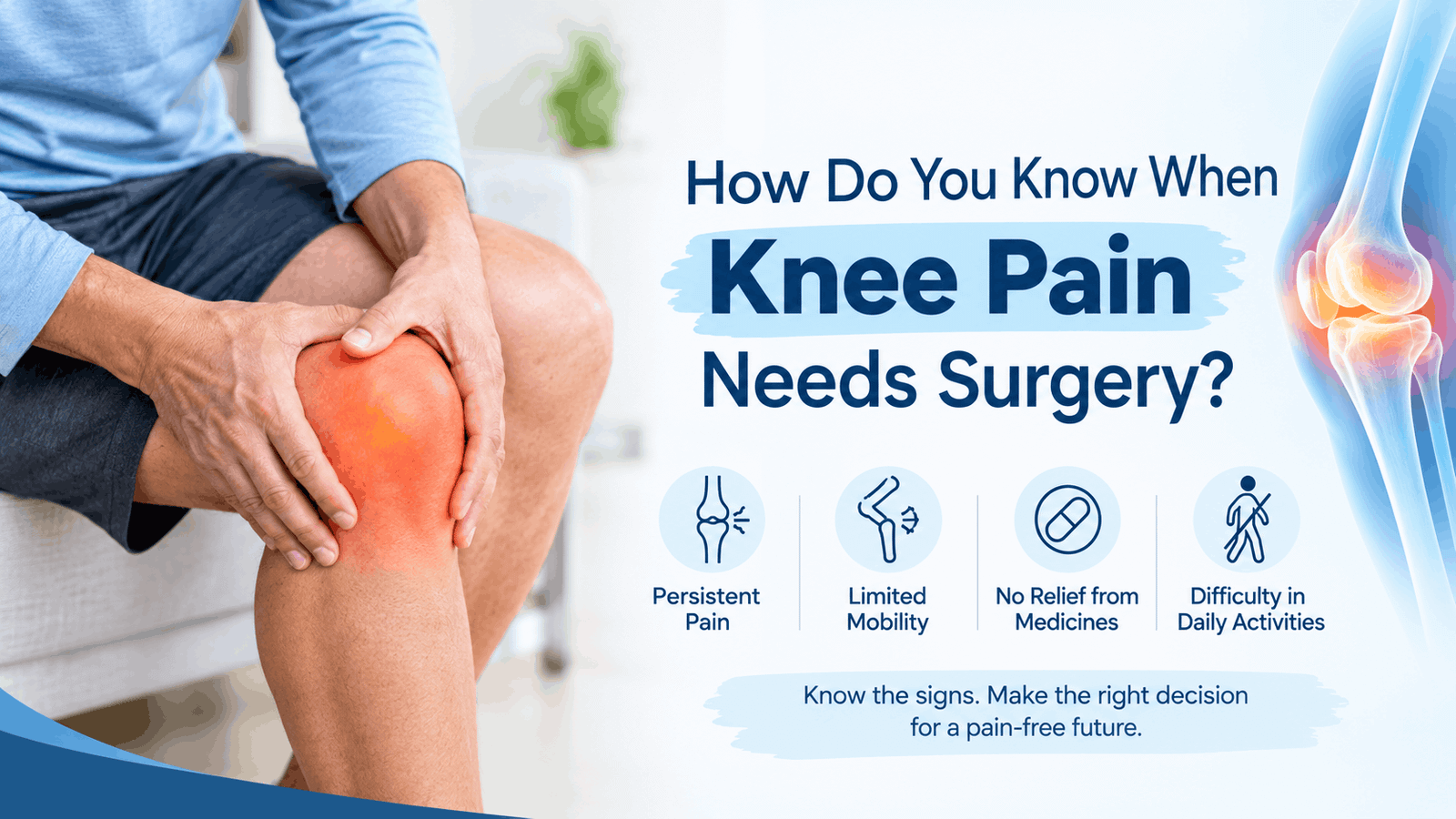
Knee pain can make everyday activities such as walking, climbing stairs, standing, and sitting difficult. While many knee problems improve with medicines, physiotherapy, and lifestyle changes, severe joint damage may require surgery. Understanding How Do You Know When Knee Pain Needs Surgery? helps patients recognise warning signs and seek timely medical advice. At Jinkushal Hospital, patients can consult an orthopaedic specialist to understand their symptoms and explore suitable treatment options based on their condition.
Not every knee problem requires an operation. Mild or moderate knee pain may improve with medicines, physiotherapy, weight management, and activity modification. Strengthening the muscles around the knee can also help improve joint support and movement.
An orthopedic doctor in Panvel can examine the knee, identify the possible cause of pain, and recommend suitable treatment. Surgery is generally considered when symptoms remain severe despite appropriate non-surgical care or when significant joint damage affects daily activities.

Orthopaedic problems can affect bones, joints, muscles, ligaments, and tendons. Conditions such as arthritis, back pain, knee problems, shoulder stiffness, and reduced mobility can make normal activities difficult.
Gentle yoga focuses on controlled movements, stretching, breathing, and body awareness. When appropriately modified, it may help patients maintain flexibility and strength while encouraging regular physical activity.
The most important factor is safety. Not every yoga pose is suitable for every patient. The right exercises depend on age, medical condition, mobility, previous injuries, and treatment or surgery history. For patients with serious knee conditions, consulting a Top Knee Replacement Surgeon in New Bombay can help determine whether yoga and other exercises are appropriate for their condition.
One of the main benefits of yoga is improved flexibility. Tight muscles can make simple movements such as walking, bending, reaching, or climbing stairs more difficult.
Gentle stretching can help improve the flexibility of muscles surrounding important joints. Better flexibility may make everyday movements more comfortable.
Patients should never force a stretch. A movement should be slow and controlled, and exercises that cause sharp or increasing pain should be stopped.
Strong muscles provide support to the joints and help the body perform everyday activities. Some yoga poses require patients to use their leg, abdominal, back, shoulder, and hip muscles.
Improving muscle strength can be especially useful for people who have become less active because of joint stiffness or discomfort.
However, patients recovering from orthopaedic surgery should only begin strengthening exercises when their healthcare professional considers them appropriate.
Regular movement can help prevent excessive stiffness. Gentle yoga exercises can encourage controlled movement and help patients maintain their available range of motion.
For people with knee problems, exercises should be selected carefully. Deep bending, twisting, or positions that put excessive pressure on the knee may not be suitable for everyone.
Patients considering Knee Replacement Surgery in Navi Mumbai should discuss their exercise routine with an orthopaedic specialist before starting new activities.
Balance is important for people of all ages, especially older adults and patients recovering from lower-limb problems.
Certain yoga positions encourage controlled standing, coordination, and body awareness. With appropriate support and supervision, these exercises may help patients become more comfortable with controlled movements.
People with serious balance difficulties should avoid practising challenging standing poses alone.
Poor posture can increase stress on different parts of the musculoskeletal system. Spending long hours sitting at a desk or using a phone can also contribute to poor body alignment.
Yoga encourages awareness of posture and body positioning. Gentle exercises that strengthen the core and back may support better posture when performed correctly.
Good posture is not only about sitting or standing straight. It also involves learning how to move safely during daily activities.
Long periods of inactivity can contribute to muscle tightness. Gentle stretching and controlled yoga movements may help people feel less stiff and more comfortable.
Breathing exercises can also encourage relaxation. This can be useful for people who experience physical tension related to stress or prolonged sitting.
However, persistent pain should not be treated only with stretching. If pain continues, medical evaluation may be necessary to identify its underlying cause.
Rehabilitation is an important part of recovery after many orthopaedic procedures. Depending on the patient’s condition, selected yoga exercises may eventually complement physiotherapy and other rehabilitation activities.
For example, after knee surgery, a patient may gradually return to different physical activities as strength and mobility improve.
Patients considering Robotic Knee Replacement Surgery in Navi Mumbai should ask their orthopaedic team when they can safely return to different exercises. The recovery timeline can vary from one person to another.
If knee pain continues for several weeks or months despite prescribed medicines and physiotherapy, consult an orthopaedic specialist. Persistent pain may be associated with advanced osteoarthritis, cartilage damage, or an old injury.
The doctor will assess the severity of the problem and determine whether additional treatment or surgery may be appropriate.
Difficulty walking, climbing stairs, standing for long periods, or getting up from a chair may indicate that the knee problem needs further evaluation. When severe arthritis affects mobility, Knee Replacement Surgery in Panvel may be considered if other treatments no longer provide sufficient relief.
The goal of treatment is to reduce pain, improve joint function, and help patients return to daily activities as safely as possible.
Knee pain that regularly wakes you at night or makes it difficult to sleep comfortably should not be ignored. Persistent night pain can occur with advanced arthritis and other joint conditions.
An orthopedic doctor in Thane or another qualified orthopaedic specialist can evaluate the symptoms and recommend treatment according to the underlying cause.
Severe stiffness can make it difficult to bend or straighten the knee. Some people also experience swelling, reduced movement, or discomfort after sitting for a long time.
If these symptoms are caused by advanced joint damage, a Knee Joint Replacement Surgeon in Panvel may assess whether joint replacement is a suitable option. The decision depends on the patient’s symptoms, examination, imaging results, and response to previous treatments.
If your knee frequently gives way or feels unstable while walking, the cause could be ligament damage, muscle weakness, or another joint problem. Some conditions improve with physiotherapy, while others may need surgical treatment.
A specialist can determine whether the problem requires rehabilitation, further investigations, or an operation.
Advanced arthritis can sometimes change the alignment of the knee, causing the legs to appear bowed. This may occur with pain, stiffness, and difficulty walking.
A consultation with a Knee Replacement Surgeon in Panvel can help patients understand the extent of joint damage and the treatment options available. X-rays or other investigations may be recommended when necessary.
When knee pain affects work, exercise, travel, or routine activities, it may be time to review your treatment plan. Surgery may be considered when pain is severe, joint damage is significant, and non-surgical treatments have not provided enough relief.
Patients exploring Robotic Knee Replacement Surgery in Panvel should discuss the procedure, possible benefits, risks, recovery period, and costs with their treating surgeon.
Knee replacement may be recommended for people with advanced osteoarthritis or substantial joint damage that causes persistent pain and limits movement. During the procedure, damaged joint surfaces are replaced with artificial components designed to improve joint function.
A doctor may consider the severity of pain, joint damage, mobility, general health, and response to previous treatments before recommending surgery.
Patients considering treatment with a Top Knee Replacement Surgeon in Panvel should focus on the specialist’s qualifications, relevant experience, clear communication, and the availability of rehabilitation and follow-up care rather than rankings alone.
Robotic-assisted knee replacement uses computer-based planning and specialised technology to assist the surgeon during the procedure. It may help with surgical planning and assessment of joint alignment. However, it does not guarantee better results for every patient, and suitability depends on the individual case.
If you are considering a Robotic Knee Replacement Surgeon in Panvel ask about the technology being used, the surgeon’s experience, potential benefits, possible complications, and alternative treatment options.
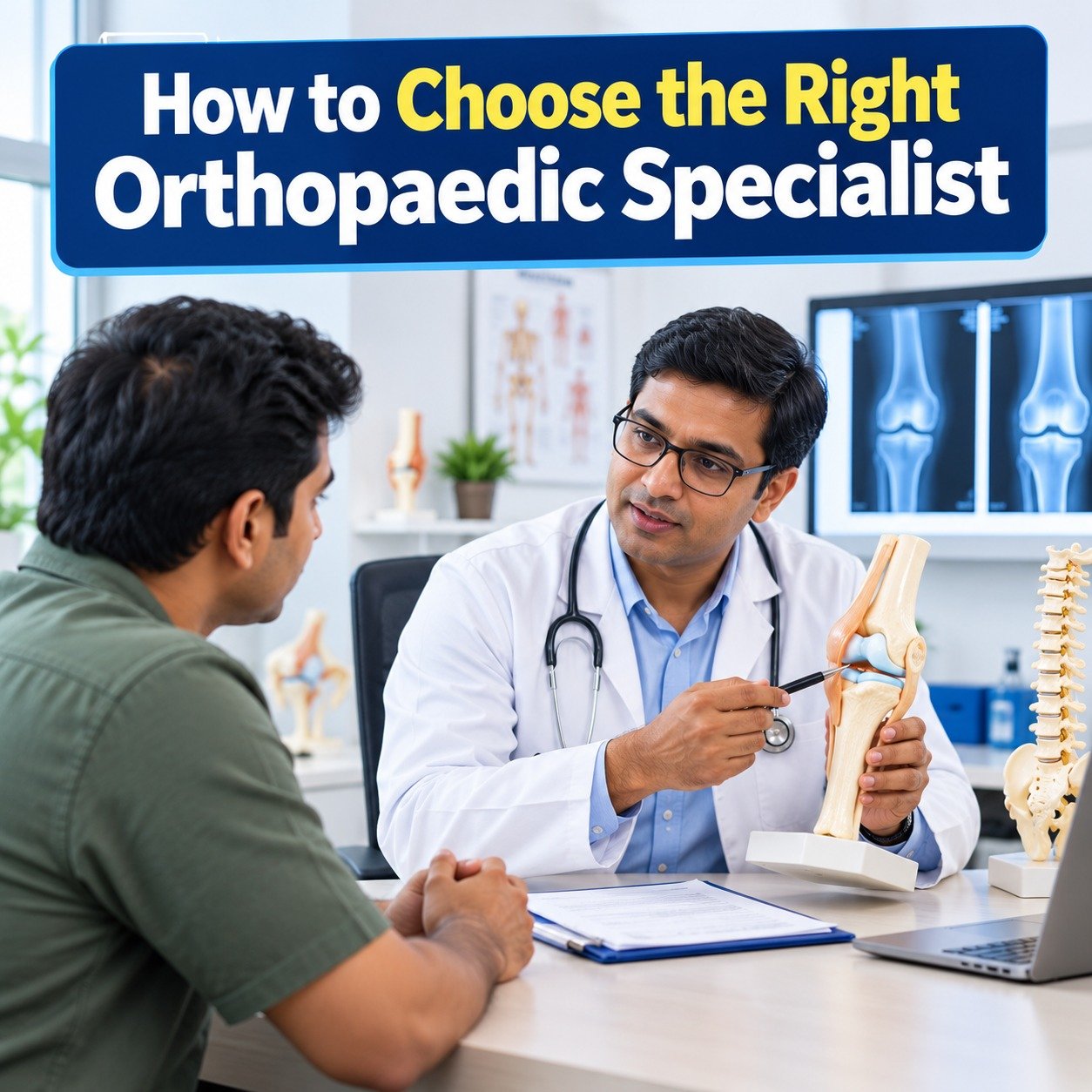
Choosing the right specialist is an important step when knee pain becomes difficult to manage. Look for a doctor who evaluates your symptoms carefully, explains treatment choices, and discusses the possible outcomes and risks of surgery.
An orthopedic clinic in Panvel can be a starting point for an assessment and guidance on further treatment. Patients should also consider whether the facility provides appropriate diagnostic support and post-treatment follow-up.
You can explore this resource about a Knee Replacement Surgeon in Navi Mumbai to learn more about knee replacement treatment. For location information related to robotic knee replacement care, visit this Robotic Knee Replacement Surgeon Navi Mumbai
Before recommending an operation, the doctor will review your medical history, examine your knee, and assess your movement. X-rays or other investigations may be needed to understand the extent of joint damage.
Discuss your existing medical conditions, medicines, allergies, and expectations with your healthcare team. If surgery is recommended, the team will explain preparation, anaesthesia, possible complications, hospital stay, and rehabilitation. Recovery varies from person to person, and following the recommended rehabilitation plan is important.
Seek prompt medical attention if you experience sudden severe knee pain, major swelling, a hot or red joint with fever, inability to bear weight, or pain following a serious injury.
Recognising the warning signs of persistent knee pain can help you seek treatment at the right time. Severe pain, stiffness, instability, and difficulty performing everyday activities may require further assessment, but they do not automatically mean surgery is necessary.
At Jinkushal Hospital, patients can discuss their symptoms and understand the available treatment options with a healthcare professional. A proper evaluation helps determine whether medicines, physiotherapy, or knee replacement is the most appropriate next step.